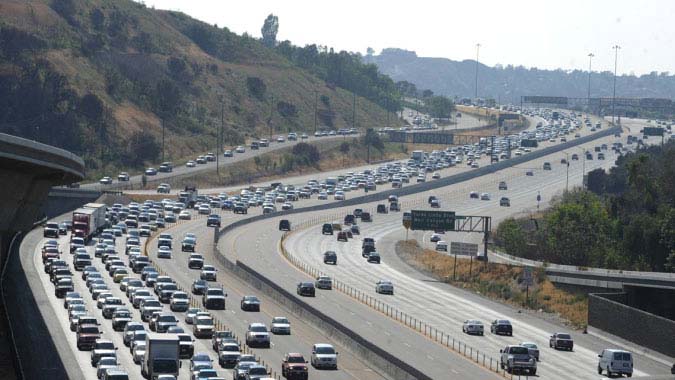
91 Express Lanes - Orange County, California
The 91 Express Lanes is a 10-mile, barrier-separated, variable priced express lane facility - the first priced managed lane facility in the U.S. The lanes, two in each direction, extend from the Costa Mesa Freeway near Anaheim to the Orange/Riverside County Line in Orange County, California. They were constructed as a private, for-profit project in 1995 and purchased by Orange County Transportation Authority in 2003.
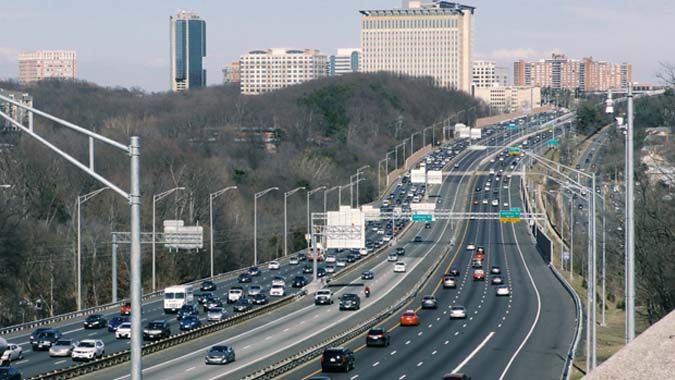
395 Express Lanes - Alexandria and Arlington, Virginia
The 395 Express Lanes project will expand the regional express lane network in northern Virginia by adding three reversible express lanes in the median of the eight-mile I-395 corridor between the current terminus of the 95 Express Lanes in Fairfax County and the border of the District of Columbia. The project will be delivered as a design-build-finance-operate-maintain concession developed as a modification of the existing agreement between the Virginia Department of Transportation and the private partner responsible for the 95 Express Lanes. Project financing includes toll revenue bonds, a loan from Virginia state infrastructure bank, and a private equity contribution.
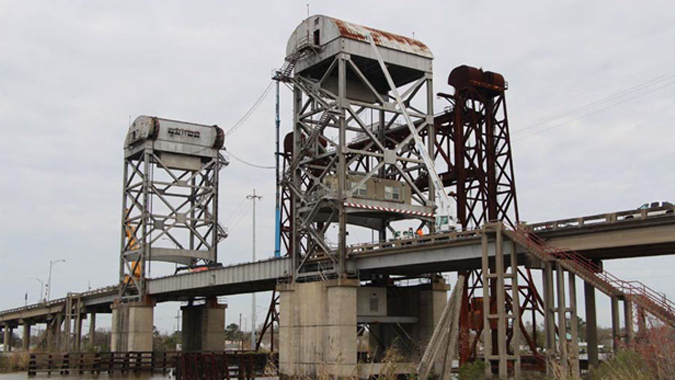
Belle Chasse Bridge and Tunnel Replacement - Plaquemines Parish, Louisiana
The 1.4-mile Belle Chasse Highway serving the residents of Plaquemines Parish, Louisiana, eight miles northwest of New Orleans has an aging bridge and tunnel, each carrying traffic in one direction across the Gulf Intracoastal Waterway, that require replacement. A new mid-level, fixed-span, tolled bridge accommodating traffic in both directions will reduce the delays associated with operations and maintenance of the older crossings. The project is expected to be delivered via a P3 design-build-finance-operate-maintain toll concession.
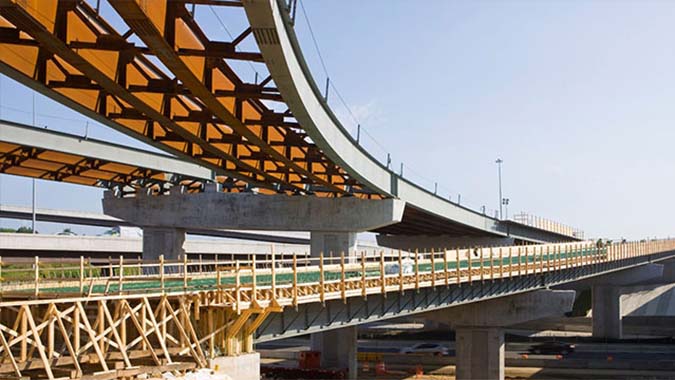
Capital Beltway High Occupancy Toll (HOT) Lanes (I-495) - Fairfax County, Virginia
The Capital Beltway High Occupancy Toll (HOT) Lanes (I-495) project is a P3 between VDOT and Capital Beltway Express, LLC, a joint venture of Fluor and Transurban. Improvements include 14 miles of twin HOT lanes in each direction, the replacement of more than 50 bridges and overpasses, and interchange upgrades. Financing includes the first-ever combination of TIFIA credit assistance and private activity bonds (PABs).
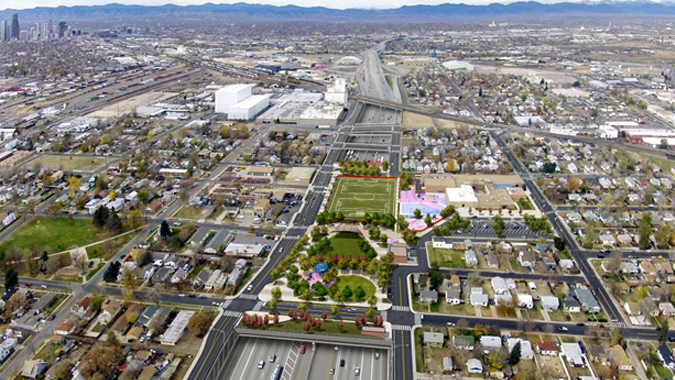
Central 70 - Denver, Colorado
The Central 70 project will redesign 10 miles of I-70 in Denver, Colorado from I-25 on the west to Chambers Road on the east. The project will reconstruct and expand the corridor by providing one new express toll lane in each direction, removing a 50-plus-year-old, 2-mile-long viaduct while lowering this section below grade, and placing a 4-acre park over a 1,000-foot portion of the lowered section, uniting two separated neighborhoods. The project is being delivered under a 34-year design-build-finance-operate-maintain availability-payment concession. The concessionaire's financing includes a TIFIA loan and private activity bond proceeds.
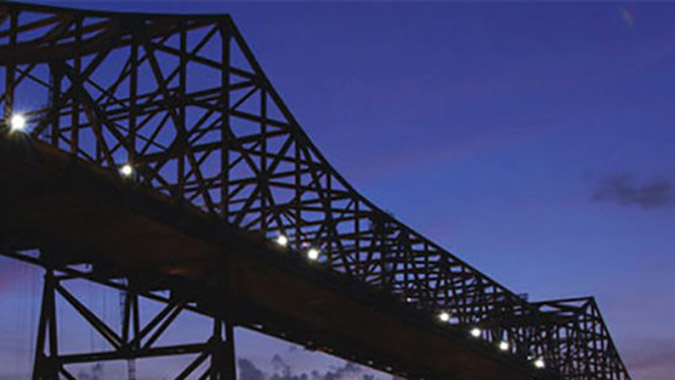
Chicago Skyway - Chicago, Illinois
The Chicago Skyway is a 7.8-mile elevated toll road connecting I-94 (Dan Ryan Expressway) in Chicago to I-90 (Indiana Toll Road) at the Indiana border. It was leased to a consortium of Cintra and Macquarie in 2005 for an upfront payment of $1.83 billion, which the City used to pay down Skyway and city debt and establish reserve funds. The Skyway was sold to a Canadian pension fund consortium in 2015 for $2.8 billion.
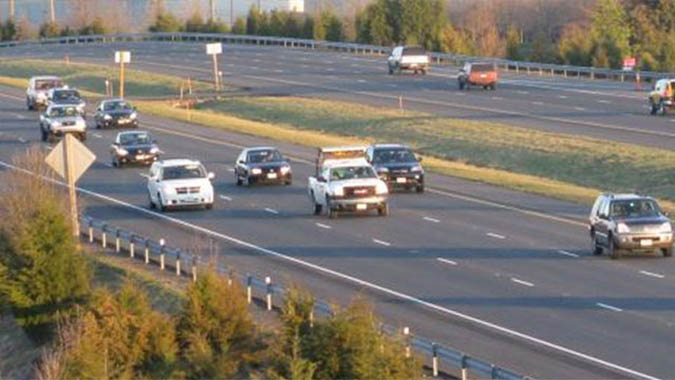
Dulles Greenway - Loudoun County, Virginia
The Dulles Greenway is a 14-mile, limited-access, privately financed highway extending from the State-owned Dulles Toll Road (which carries traffic between Washington's Capital Beltway and Dulles Airport) to Leesburg. The two roads connect at a toll plaza. Drivers pay one toll, which the operators of the two facilities divide. The toll road opened in the mid-1990s and has undergone several changes in ownership.
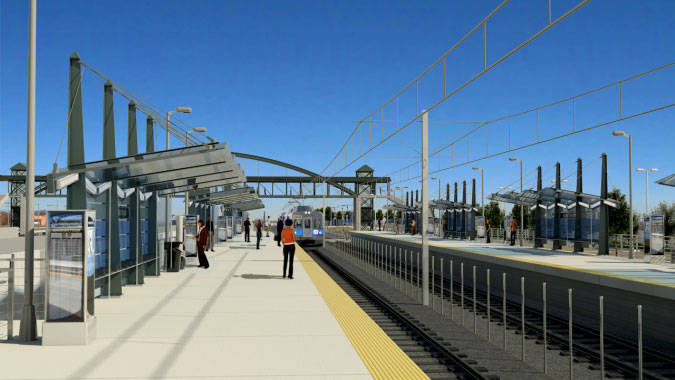
Eagle Project - Denver Metro Area, Colorado
The Eagle Project is part of RTD's FasTracks initiative, a voter-approved program to expand rail and bus transit throughout the Denver metropolitan region. The Eagle Project has been procured through a concession agreement between RTD and Denver Transit Partners to design, build, finance, operate, and maintain the project's components - three new commuter rail lines and a maintenance facility - for 34 years.
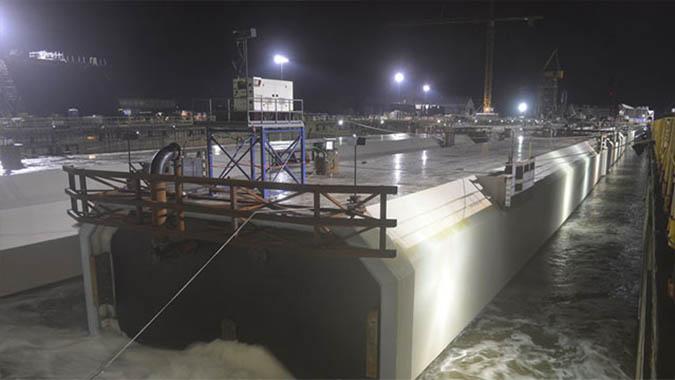
Elizabeth River Tunnels (Downtown / Midtown Tunnel) - Cities of Norfolk and Portsmouth, Virginia
The Elizabeth River Tunnels (Downtown / Midtown Tunnel) consists of five construction components involving three facilities in the Hampton Roads region of Virginia. The $2.1 billion project has been delivered on a design, build, finance, operate, and maintain (DBFOM) concession basis by Elizabeth River Crossings LLC (ERC) composed of Skanska Infrastructure Development and Macquarie Group. ERC is operating the concession for 58 years. Financing included a package of private activity bonds, TIFIA loan, private equity, toll revenues, and public funding.
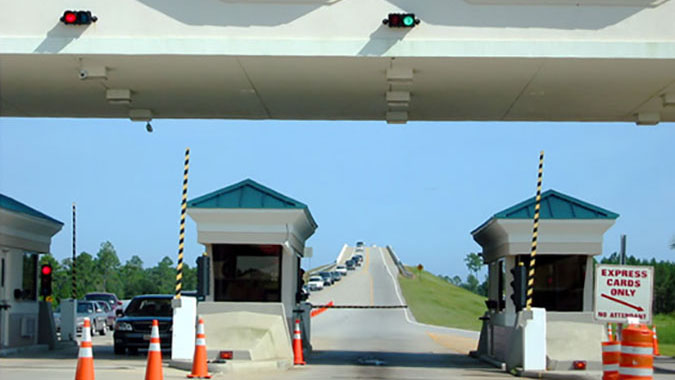
Foley Beach Express - Baldwin County, Alabama
The Foley Beach Express (Beach Express) is a 13.5-mile limited access, privately-operated four-lane route from the City of Foley to Orange Beach, Gulf Shores, and Perdido Key in Alabama. It is in alternative to the heavily traveled Highway 59.
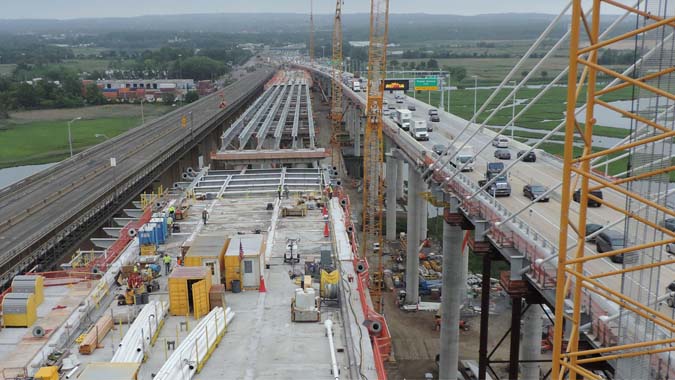
Goethals Bridge Replacement -Staten Island, New York to Elizabeth New, Jersey
The Goethals Bridge project is the reconstruction of a new six-lane, cable-stayed bridge adjacent to the existing bridge and the demolition and removal of the existing bridge. The reconstructed bridge will include a bicycle/pedestrian lane along the northern edge of the New Jersey bound side, as well as a central area between eastbound and westbound lanes to accommodate future transit service. The project is being delivered as a 40-year, design-build-finance-maintain (DBFM) public-private partnership (P3) concession by the NYNJ Link Partnership. The project was financed with a TIFIA loan, private activity bonds, and equity from the private partner.

Gordie Howe International Bridge - Windsor, Ontario to Detroit, Michigan
The 1.5-mile, six-lane Gordie Howe International Bridge, crossing the Detroit River between the Cities of Windsor, Ontario and Detroit, Michigan, will be the longest cable-stayed bridge in North America when completed in 2024. The project will include new ports of entry at both ends, as well as connections to I-75 in southwest Detroit. The Windsor-Detroit Bridge Authority, a not-for-profit Canadian government Crown corporation is delivering the project through a 36-year design-build-finance-operate-maintain availability concession estimated to cost $4.4 billion over the life of the contract.
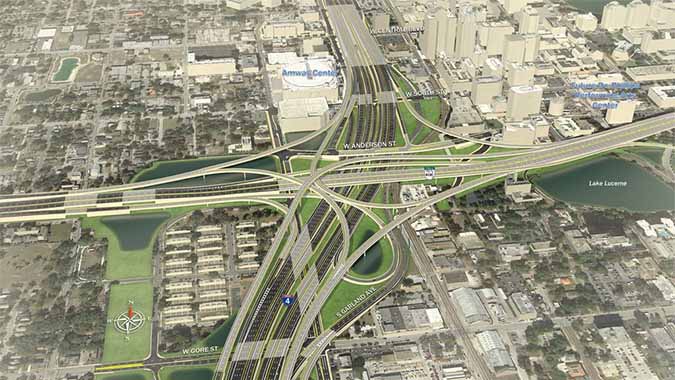
I-4 Ultimate - Orlando, Florida
The I-4 Ultimate project is the reconstruction and widening of 21 miles of I-4 from west of Kirkman Road in Orange County, Florida through downtown Orlando to east of State Road 434 in Seminole County. The project is adding four express toll lanes to median of the rebuilt stretch of interstate through a 40-year design-build-finance-operate-maintain availability payment concession, financed in part by a senior bank debt, a TIFIA loan, and private equity.
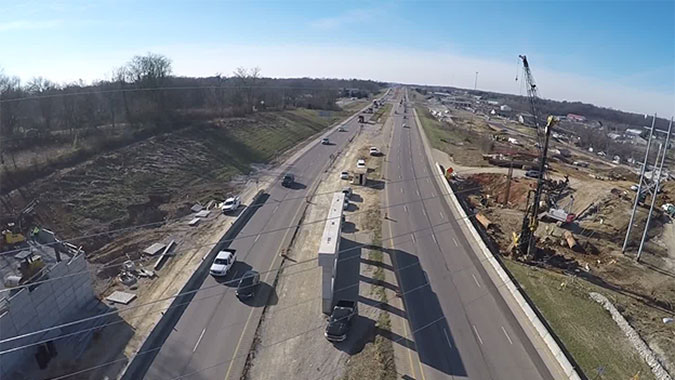
I-69 Section 5 - Bloomington to Martinsville, Southwest Indiana
I-69 Section 5, will extend I-69 from Bloomington to Martinsville, bringing the four-lane highway 21 miles closer to Indianapolis. The project was originally implemented as a 35-year availability payment DBFOM concession. The state took over the project in July 2017 after a series of financial and schedule challenges faced by the private partner.
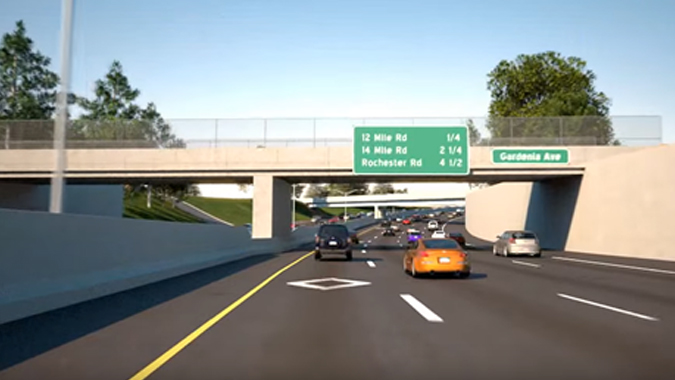
I-75 Modernization Project Segment 3 - Detroit Metropolitan Region, Michigan
Segment 3 of the Michigan Department of Transportation's I-75 Modernization Project will complete the reconstruction and widening of I-75 in Metro Detroit from M-102 (8 Mile Road) in Hazel Park to south of M-59 in Auburn Hills. Segment 3 is the southernmost 5.5-mile segment extending to 13 Mile Road in Madison Heights. A 30-year design-build-finance-maintain availability payment concession accelerates the original completion date of Segment 3 by 12 years. The concessionaire's financing relies predominantly on private activity bonds.
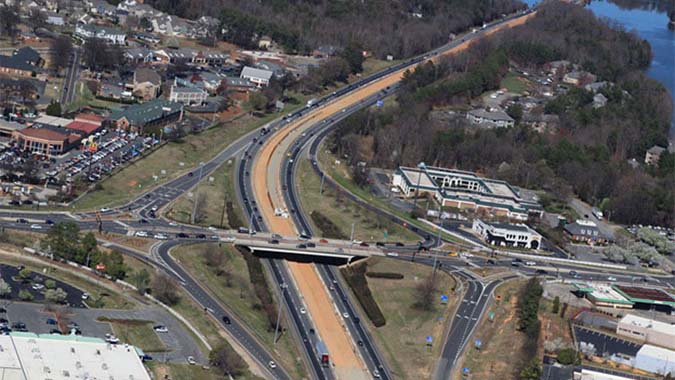
I-77 Express Lanes - Charlotte, North Carolina
The I-77 Express Lanes project will add 26 miles of variably priced managed lanes along I-77 and I-277 in Charlotte, North Carolina north through Mecklenburg and Iredell Counties. The project is being delivered as a 50-year design, build, finance, operate and maintain concession between the North Carolina Department of Transportation and Cintra Infraestructuras, S.A. Financing includes a mix of Private Activity Bonds, a TIFIA loan, public funding, and an equity contribution.
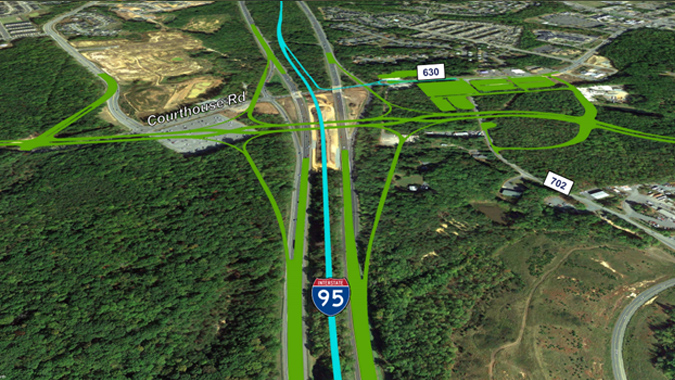
I-95 Express Lanes Fredericksburg Extension - Stafford County, Virginia
The I-95 Express Lanes Fredericksburg Extension will extend reversible express lanes in the median of I-95 10 miles south through Stafford County, from Route 610 to the vicinity of Route 17 near Fredericksburg. The extension will continue the expansion of the regional express lanes network in Northern Virginia, provide new travel choices, and improve travel time reliability in this chronically congested region. The project will be delivered under an amendment to the agreement between VDOT and 95 Express Lanes LLC, the concessionaire that implemented the existing I-95 Express Lanes and 395 Express Lanes and is operating and maintaining those facilities through 2087.
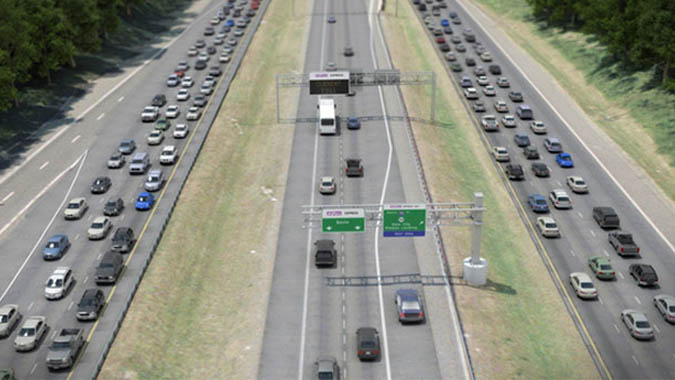
I-95 HOV/HOT Lanes - Fairfax, Prince William, and Stafford Counties, Virginia
The I-95 Express Lanes will be the second step in creating a regional network of tolled managed lanes in Northern Virginia. The project consists of the development, design, finance, construction, maintenance and operation of 29.4 miles of high occupancy toll lanes along I-95 and I-395 from Garrisonville Rd. in Stafford County to Edsall Rd. in Fairfax County over a 76-year concession period.

I-595 Corridor Roadway Improvements - Broward County, Florida
The I-595 Corridor Roadway Improvements project consisted of the reconstruction and widening of 10.5 miles of the I-595 mainline from the I-75/Sawgrass Expressway to I-95. The project has been implemented as an availability-payment P3 between FDOT and a private concessionaire, I-595 Express, LLC, to design, build, finance, operate, and maintain the roadway for a 35-year term. The concessionaire's financing, backed by these availability payments, includes senior bank debt, a TIFIA loan, and private equity.
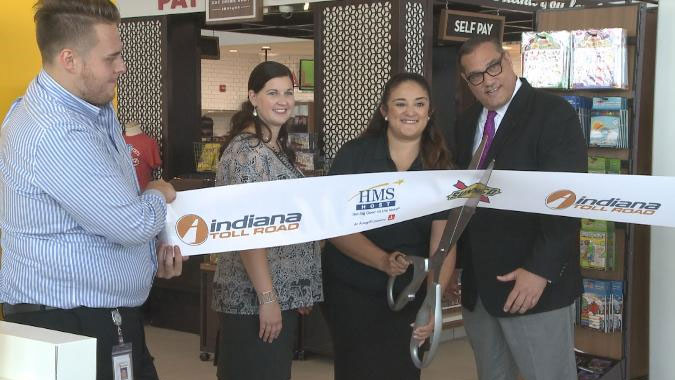
Indiana Toll Road - Indiana
In operation since 1956, the Indiana Toll Road stretches 157 miles across the northernmost part of Indiana from its border with Ohio to the Illinois state line, where it provides the primary connection to the Chicago Skyway and downtown Chicago. The Indiana Toll Road was leased to a consortium of Cintra and Macquarie in 2006 for an upfront payment of $3.8 billion, which was primarily being reinvested in statewide roadway and bridge improvement projects. The lease was rewarded to a consortium of Australian and American pension funds for $5.7 billion in 2015 following the original consortium's bankruptcy.
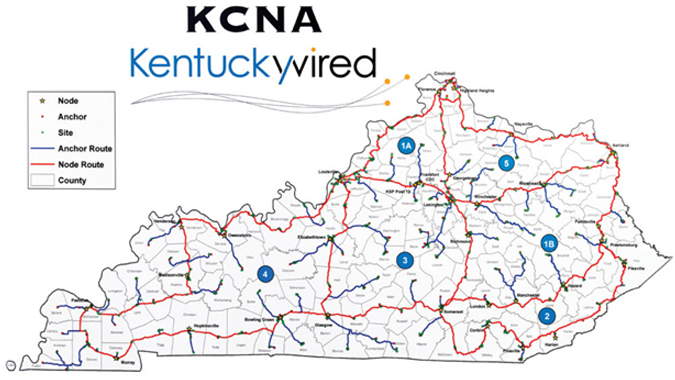
KentuckyWired - Kentucky (statewide)
KentuckyWired is a 3,200-mile statewide network of major fiber optic cable to provide broadband internet connectivity. The network will be open access, allowing local public or private Internet service providers (ISPs), cities, partnerships, or other groups to connect to the network and extend services to local communities. The project is being delivered through a 30-year design, build, finance, operate, and maintain availability payment concession between the state and a private concessionaire.
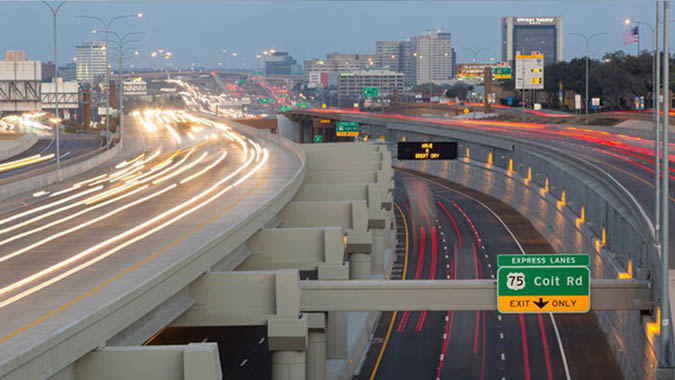
LBJ Express/IH 635 Managed Lanes - Dallas County, Texas
The IH-635 (LBJ Freeway) Managed Lanes Project relieves congestion north of Dallas on a 13-mile stretch of the LBJ Freeway through the reconstruction of its main lanes and frontage roads and addition of six managed lanes along I-635 (subsurface) and I-35E (elevated). The project has been delivered as a P3 between TxDOT and LBJ Infrastructure Group, which will operate and maintain the facility for 52 years.
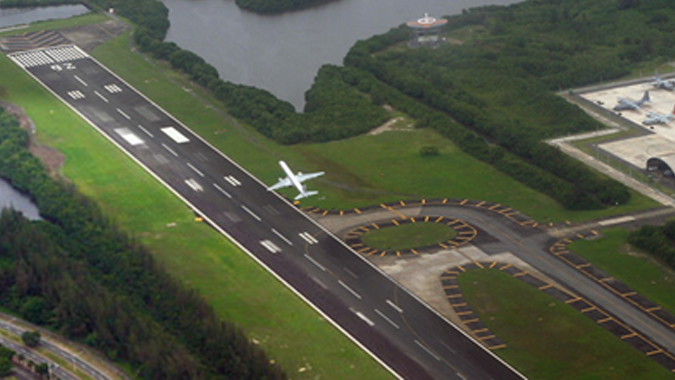
Luis Muñoz Marín International Airport Privatization - San Juan, Puerto Rico
In February 2013, the Puerto Rico Ports Authority completed the long-term lease of Luis Muñoz Marín International Airport in San Juan to Aerostar Airport Holdings, under the Federal Aviation Administration Airport Privatization Pilot Program. The 40-year lease has a total value of $2.6 billion, including a $615 million upfront payment - financed through a private bond issue, senior bank debt, and private equity - as well as additional annual payments, and a revenue-sharing arrangement. The upfront payment defeased outstanding debt and helped support the operation of other regional airports.
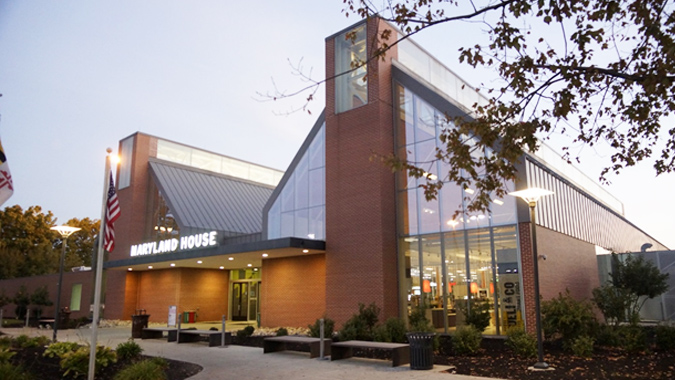
Maryland I-95 Travel Plazas Redevelopment - Cecil County and Harford County, Maryland
In 2012, the Maryland Transportation Authority entered into a P3 long-term lease concession agreement with a private concessionaire, to redesign and rebuild two Maryland Travel Plazas along I-95 at a cost of $56 million, and then operate and maintain them over a 35-year lease term. The overall value to the State, including avoided capital, operations, and maintenance costs, as well as revenue sharing, is estimated to be $577 to $662 million in year-of-expenditure dollars.
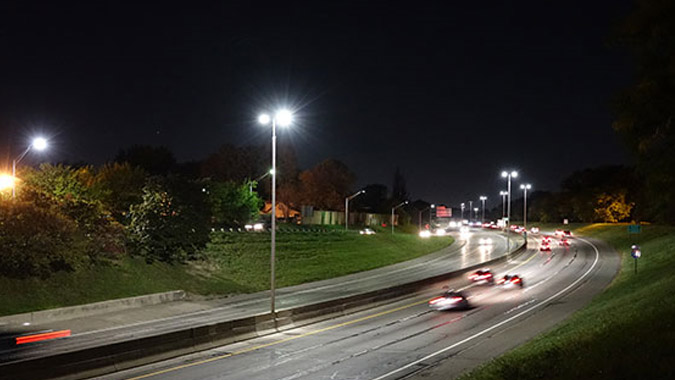
Metro Region Freeway Lighting P3 (Michigan) - Detroit Tri-County Area
This innovative DBFOM availability payment P3 project bundles the replacement of approximately 15,000 freeway lights on five Interstate corridors in metropolitan Detroit with energy-efficient, LED lighting estimated to save Michigan taxpayers $1.5 million annually. The private partner will also operate and maintain the lighting systems, subject to performance standards, for 13-years.
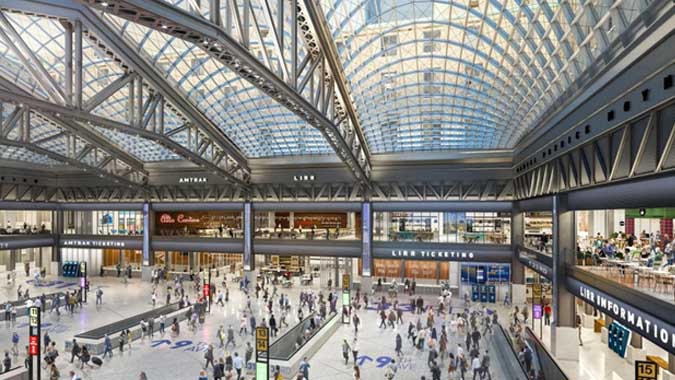
Moynihan Train Hall - New York, New York
The Moynihan Train Hall will convert the James A. Farley Post Office building in New York, NY into a modern, state of the art transportation facility serving Amtrak and Long Island Rail Road passengers and relieving congestion at adjacent Penn Station. The design-build project is being implemented by a private developer who is leasing the space for 99 years. Funding includes a TIFIA Loan and contributions from New York's Empire State Development Corporation, Amtrak, the Port Authority of New York and New Jersey, the Metropolitan Transportation Authority, and the private developer.
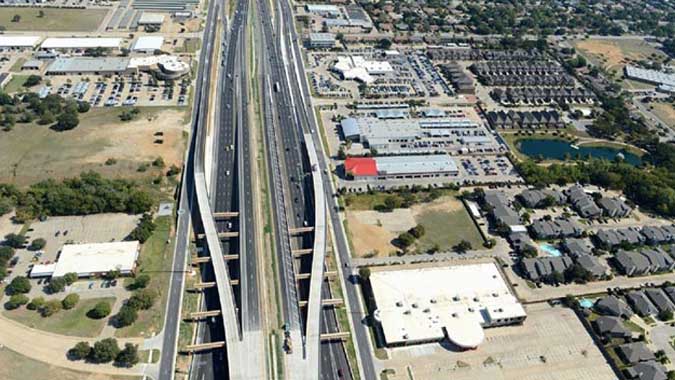
North Tarrant Express I-820 and SH 121/183 (Segments 1 and 2W) - Dallas-Fort Worth Metroplex
TxDOT entered into a public-private partnership with NTE Mobility Partners for the design, construction, finance, maintenance, and operation of approximately 13 miles of roadway improvements along I- 820 and SH 121/SH 183 north and east of Fort Worth. The duration of the concession for this first phase of the North Tarrant Express (NTE) is 52 years. Opened in October 2014, the roadway was reconstructed with the addition of two managed lanes and an additional general purpose lane in each direction. Under a separate agreement, the private partner examined other segments in the region for development as part of the NTE, leading to a third agreement to pursue the NTE 35W Project.
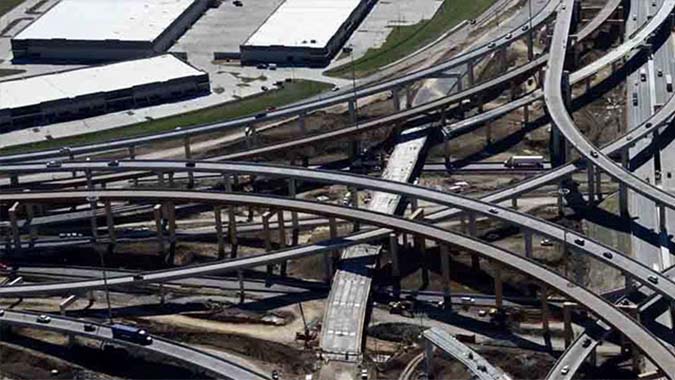
North Tarrant Express 35W (Segments 3A, 3B and 3C) - Dallas-Fort Worth Metroplex, Texas
The North Tarrant Express (NTE) 35W Project consists of the design, construction, operations, and maintenance of approximately 10 miles of managed lanes, associated improvements to adjacent cross-roads, frontage roads, and ramps, and the intelligent transportation systems (ITS) and tolling systems on two segments of I-35W in Fort Worth, Texas. Segment 3A was designed and constructed via a public-private partnership between the Texas Department of Transportation (TxDOT) and the NTE Mobility Partners. TxDOT was responsible for the financing and construction of Segment 3B, excluding tolling and ITS. With both segments completed by July 2018, the concessionaire is performing operations and maintenance for the entire facility, including the 3B portion constructed by TxDOT, and is negotiating potential construction of Segment 3C extending the facility 7 miles further north.
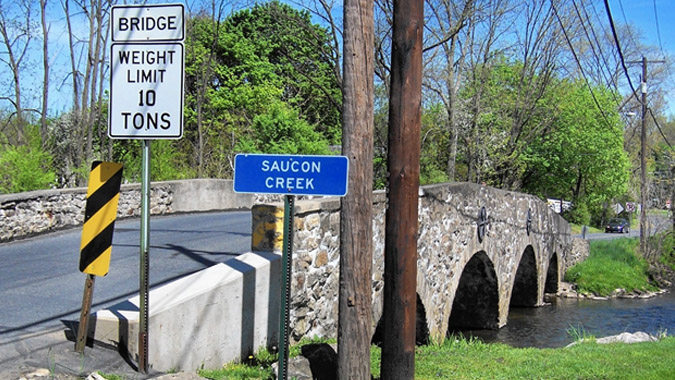
Northampton County Bridge Renewal Program - Northampton County, Pennsylvania
Northampton County in northeastern Pennsylvania has the distinction of being the one of the first local government entities in the United State to enter into P3 to undertake transportation improvements. The County is bunding the replacement and renovation of 33 bridges into a 14-year availability payment concession.
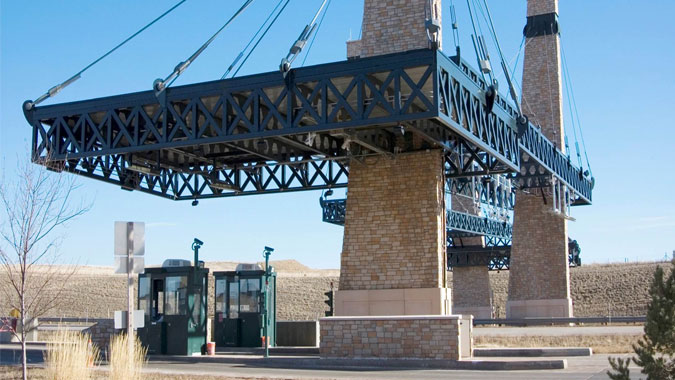
Northwest Parkway - Denver Metro Region, Colorado
The Northwest Parkway is a 9-mile segment of the Denver Beltway System, connecting E-470 in northern Denver to US 36 in Broomfield. The project was developed by a three-municipality joint powers agency and opened in 2003. It was subsequently leased in 2007 to a private consortium for 99 years after four years of toll revenues that did not meet expectation.
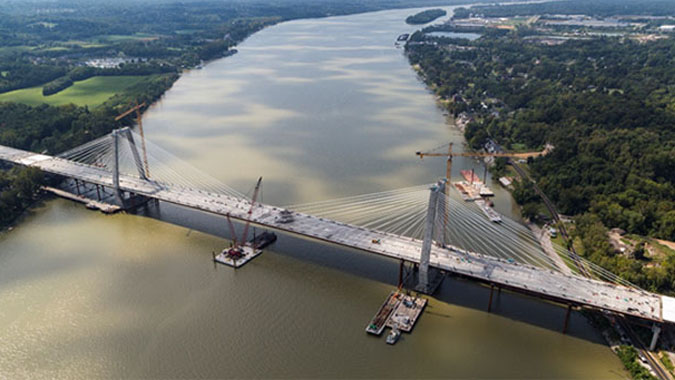
Ohio River Bridges East End Crossing - Southern Indiana/Louisville, Kentucky
The Ohio River Bridges East End Crossing project is one half of the bi-state Ohio River Bridges project, which also includes the Downtown Crossing project, that together are addressing cross-river capacity and mobility needs in the greater Louisville-Southern Indiana region. The project consists of a new East End Bridge and approaches connecting I-265/KY 841 in Kentucky to I-265/SR 265 in Indiana. The project has been delivered an availability-pay design-build-finance-operate-maintain concession.
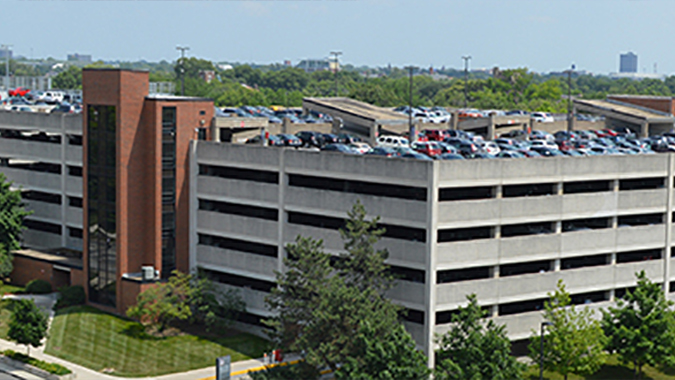
Ohio State University Parking Facility - Columbus, Ohio
In 2012, The Ohio State University (Ohio State) leased its Columbus campus parking facilities, and management of its daily parking operations, to a private concessionaire for 50 years as part of an innovative funding strategy. Over the lease term, CampusParc is responsible for the operation of Ohio State's parking system which comprises approximately 36,600 spaces across the Columbus campus. Ohio State estimates the 50-year value generation to be $3.1 billion. The endowment distributions are being used for student scholarships, hiring new tenure-track faculty, and support for capital projects in the Arts District. Funding has also gone to supporting the Campus Area Bus Service and other initiatives that provide sustainable transportation options.
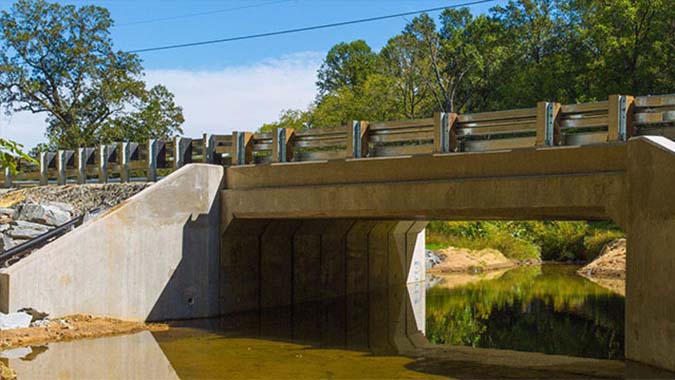
Pennsylvania Rapid Bridge Replacement Project - Pennsylvania (statewide)
The Pennsylvania Rapid Bridge Replacement Project is replacing 558 structurally deficient bridges throughout the commonwealth over a three-year period. The private partner, Plenary Keystone Partners, will design, construct, and finance the project; and then maintain the bridges for 25 years. The project is financed with the largest transportation private activity bond issued to date in the U.S., together with PennDOT milestone payments and private partner equity.
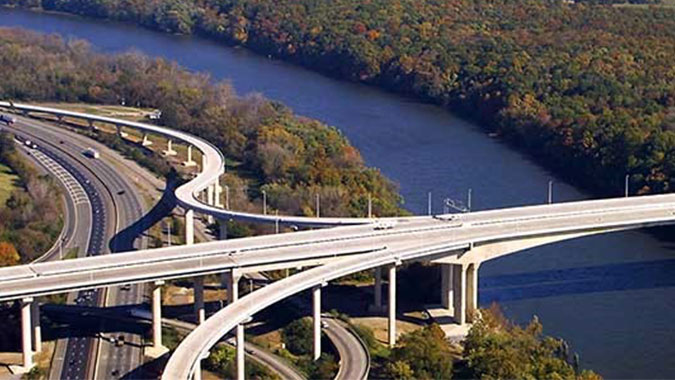
Pocahontas Parkway / Richmond Airport Connector - Greater Richmond, Virginia
This $354 million project was financed by tax-exempt toll revenue bonds issues by a 63-20 corporation. It was the first transportation project implemented under Virginia's Public-Private Transportation Act of 1995. The Parkway was leased to a private toll road operator in 2007. The deal defeased its underlying debt and included the construction of the 1.6-mile Richmond Airport Connector, which opened in January 2011. The Parkway changed hands in 2015 and again in 2016 after the initial private operator first transferred ownership to its senior lenders in May 2014.
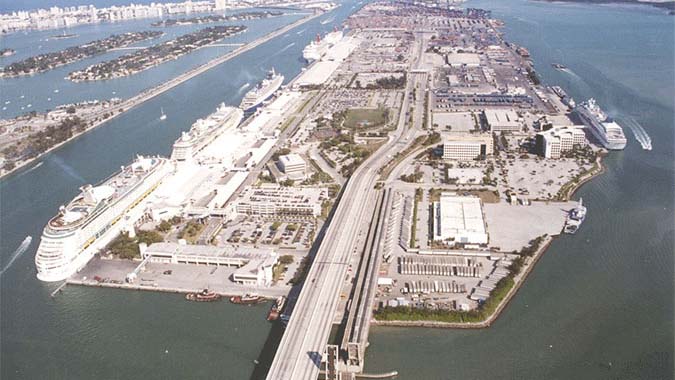
Port of Miami Tunnel - Florida
The Port of Miami Tunnel improves access to and from the Port of Miami, serving as a dedicated roadway connector linking the Port (located on an island in Biscayne) with the MacArthur Causeway and I-395 on the mainland. The project has been developed as a P3 with Miami Access Tunnel, LLC (MAT). The state has paid for approximately 50 percent of the capital costs (design and construction) and all operations and maintenance, while local governments provided the remaining 50 percent of the capital costs. FDOT made milestone payments to MAT at various stages of project development and is now making availability payments during a 30-year concession. Senior bank debt, a TIFIA loan, and private equity have been used to finance the project.
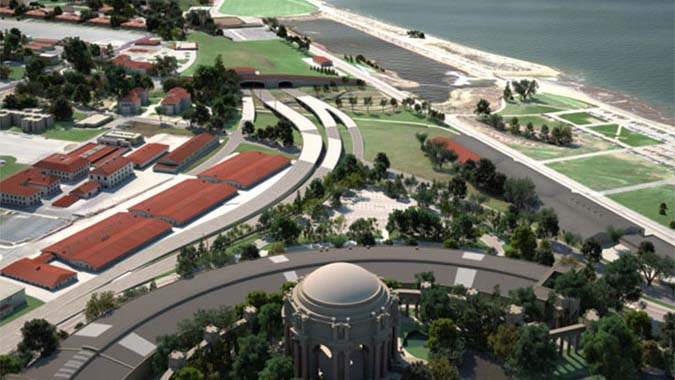
Presidio Parkway (Phase II) - San Francisco, California
The Presidio Parkway project is a replacement of Doyle Drive, the southern access to the Golden Gate Bridge. The existing structure, built in 1936, did not meet current highway standards and was seismically deficient. Through a competitive procurement process, Caltrans selected a private consortium to deliver Phase II as an availability-pay design, build, finance, operate, and maintain availability-pay concession.
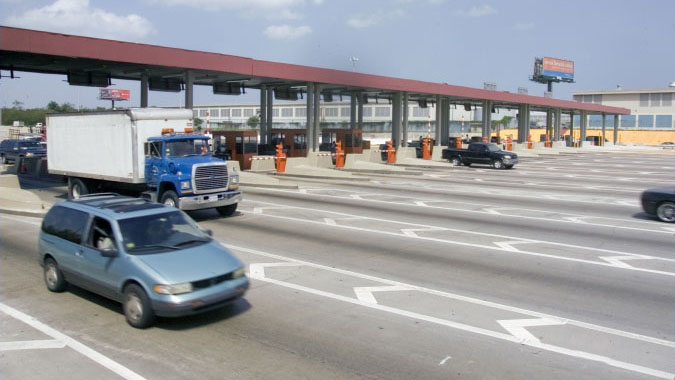
Puerto Rico PR-22 and PR-5 Lease - Puerto Rico
PR-22 and PR-5, heavily traveled toll roads stretching about 55 miles along the northern coast of Puerto Rico from Bayamon westward through San Juan to Arecibo, was leased to consortium of Goldman Sachs and Abertis in 2011. The total $1.436 billion administrative concession will finance, rehabilitate, operate, and maintain the facilities over 40 years. Of that total, $1,080 million is an upfront payment of which about 90% was used to defease all outstanding tax-exempt toll-revenue debt ($902 million), and approximately $350 million will be expended on expected upgrades over the concession period, $56 million of which was spent in the first three years on "accelerated safety improvements."
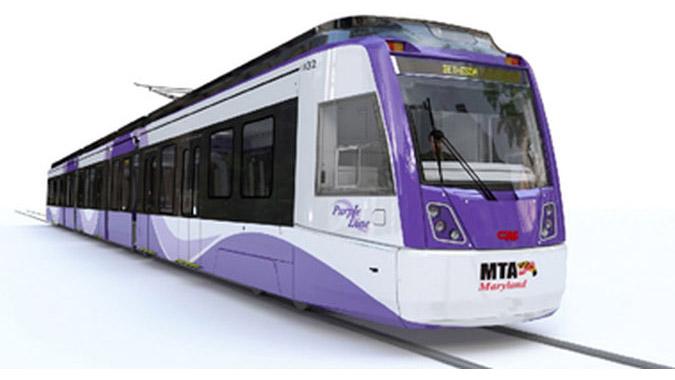
Purple Line Project - Washington DC Metro Region / Central Maryland
The Purple Line is a new 16-mile, 21-station light rail transit line that will connect several communities in southern Maryland from Bethesda to New Carrollton. The corridor is located along the Capital Beltway near Washington, D.C., in a densely populated area with continued commercial, institutional, mixed-use, and residential development. The line provides connections to the Metro subway, MARC commuter rail, and Amtrak's Northeast Corridor. An availability-payment-backed design-build-finance-operate-maintain concession will deliver the project using a financing package of private activity bonds, TIFIA loan, private equity, and Maryland Transit Agency funds.
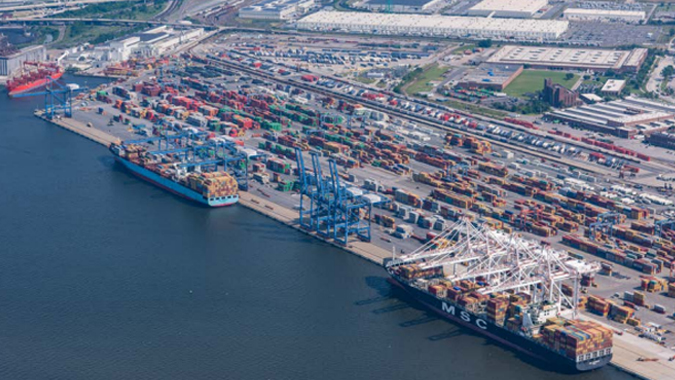
Seagirt Marine Terminal - Baltimore, Maryland
In late 2009, the Maryland Port Administration entered into a 50-year long-term lease concession with Ports America Chesapeake to operate and maintain Seagirt Marine Terminal in Baltimore. The nearly $1.5 billion deal includes annual and per-container payments to the state, capital investment including addition of a fourth berth that accommodates post-Panamax ships, and a $140 million upfront payment that the state has invested in highways that serve the Port of Baltimore area.
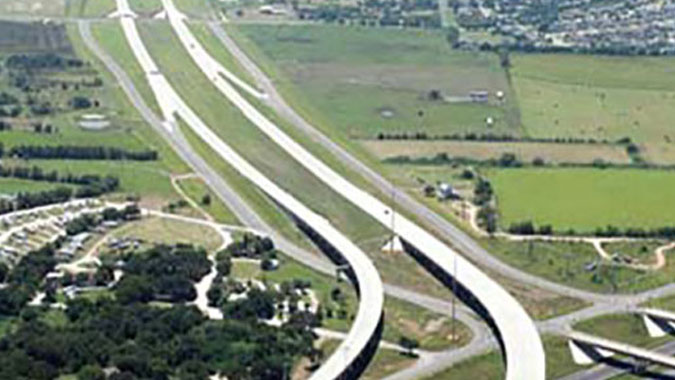
SH 130 (Segments 5-6) - Austin, Texas Metropolitan Area
SH 130 is a four-lane, 91-mile toll road east and south of Austin designed to relieve congestion on the heavily traveled I-35, the primary north-south route through Central Texas. Segments 5 and 6 have been developed through a 50-year concession (Comprehensive Development Agreement) with the SH 130 Concession Company (a joint venture of Cintra and Zachry American Infrastructure). They were financed with senior bank debt, a TIFIA loan, and private equity. Segments 1-4 were constructed under a design-build project as part of the Central Texas Turnpike System.
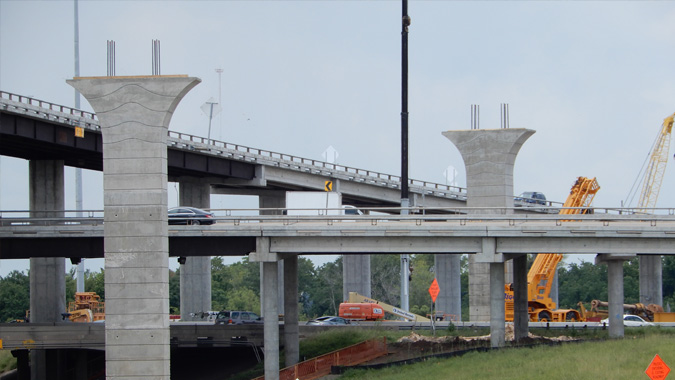
SH 288 Toll Lanes Project - Houston, Texas
The SH 288 Toll Lanes project is located in Harris County, Texas and involves the development, design, construction, financing, operation, and maintenance of four new toll lanes that stretch 10.3 miles along the median of SH 288, which extends from downtown Houston south toward the Gulf of Mexico. The P3 DBFOM concession also includes the maintenance of the existing general purpose lanes along the corridor. The concessionaire's financing includes a combination of private activity bonds, a TIFIA loan, private equity, and public funding for direct connector ramps to the Texas Medical Center.
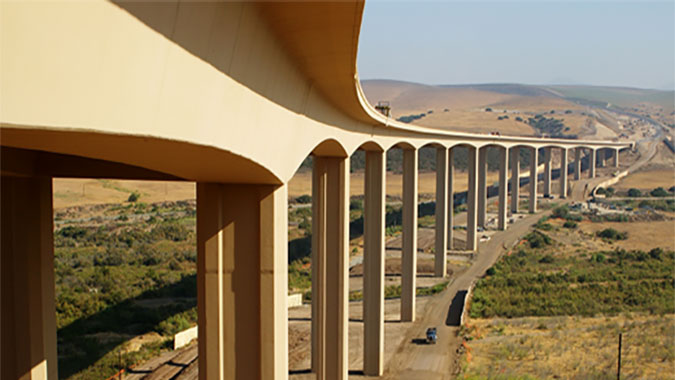
South Bay Expressway (formerly SR 125 South Toll Road) - San Diego County, California
The South Bay Expressway toll road is a 9.2-mile privately-funded southern extension of SR 125, extending from SR 905 near the International Border to SR 54 near Sweetwater Reservoir in San Diego, California. The original operator, South Bay Expressway, L.P., held a 35-year franchise with the State of California under which it financed and built the highway, then transferred ownership to the State. The concessionaire emerged from bankruptcy in April 2011 as South Bay Expressway, LLC, and sold the toll road to the San Diego Association of Governments in December 2011.
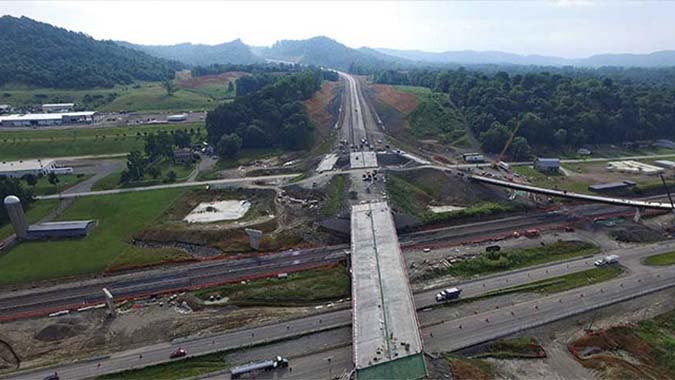
Southern Ohio Veterans Memorial Highway (Portsmouth Bypass) - Portsmouth to Lucasville, Scioto County, Ohio
The Southern Ohio Veterans Memorial Highway (Portsmouth Bypass) is a 16-mile, four-lane, limited access highway providing motorists with an alternative route around the city of Portsmouth in South Central Ohio, saving 10 miles of travel and up to 16 minutes per trip. The project is Ohio's first DBFOM availability payment concession and has benefited from TIFIA and PAB financing, as well as Appalachian Development Highway System funds.
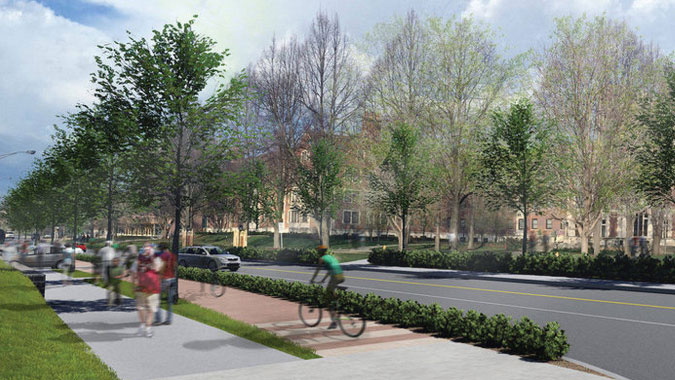
State Street Redevelopment Project - West Lafayette, Indiana
The City of West Lafayette, Indiana and Purdue University are jointly delivering the State Street Redevelopment Project to provide aesthetic and functional improvements to gateways into West Lafayette and Purdue University. The project improves the streetscape, provides pedestrian amenities to enhance community and campus resident cohesiveness, and expands transportation infrastructure to accommodate planned and future growth of West Lafayette and the University. The project is being delivered through an innovative design-build-finance-maintain availability payment P3 backed by tax increment finance district revenue.
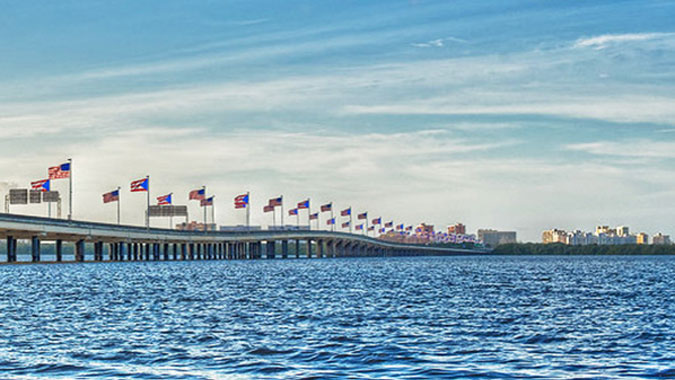
Teodoro Moscoso Bridge - San Juan to Carolina, Puerto Rico
The Teodoro Moscoso Bridge spans the San José Lagoon, running from San Juan to Carolina in Puerto Rico. The toll bridge was constructed in 1994 as a design, build, operate, and maintain P3 project. The bridge is the first U.S. greenfield P3 project in the transportation sector.
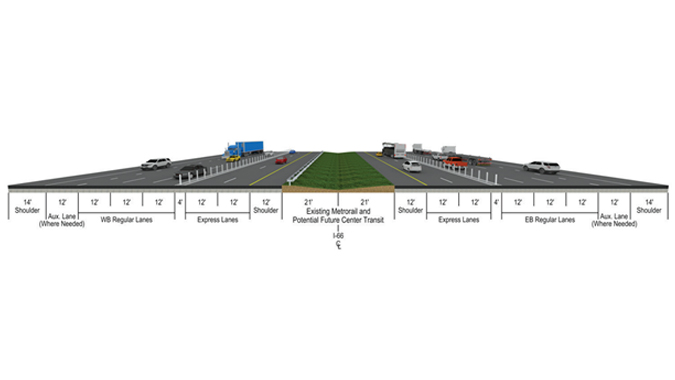
Transform 66 - Outside the Beltway - Fairfax and Prince William Counties, Virginia
Transform 66 - Outside the Beltway will reconstruct and expand 22.5 miles of I-66 in Virginia from the I-495 Capital Beltway to US 29 in Gainesville. The project will provide an additional general-purpose and a second HOV lane in each direction, together with auxiliary lanes, interchange reconfigurations, park-and-ride facilities, and new and improved bus service. The project is being delivered under a 50-year design-build-finance-operate-maintain public-private partnership concession and is financed with a TIFIA loan, private activity bonds, and substantial equity investments and project contributions from the private partner.

US 36 Express Lanes (Phase 2) - Denver Metro Area, Colorado
Phase 2 of a 15-mile reconstruction and expansion of US 36, a four-lane divided highway connecting Denver and Boulder, extends the 10-mile Phase 1 project five miles further northwest to Boulder. The corridor was reconstructed and augmented with a single HOT lane in each direction. The project also included the reconstruction or rehabilitation of three bridges, accommodations for bus rapid transit, provision for ITS, improvements to a commuter rail station, and a bikeway. Phase 2 has been delivered as a DBFOM P3. In addition to the Phase 2 construction, the concessionaire will operate and maintain the entire US 36 Express Lanes corridor as well as the existing I-25 Express Lanes, which connect at its southern terminus.
The Center for Innovative Finance Support provides resources for public agencies exploring the option of public private partnerships (P3s) to deliver transportation projects. Specific tools include Value for Money (VfM) analysis and FHWA’s Special Experimental Project No. 15 (SEP-15) program. The Center can also advise P3 clients seeking private activity bond (PAB) allocations and TIFIA loans.